Recognizing Cat Cognitive Dysfunction Syndrome
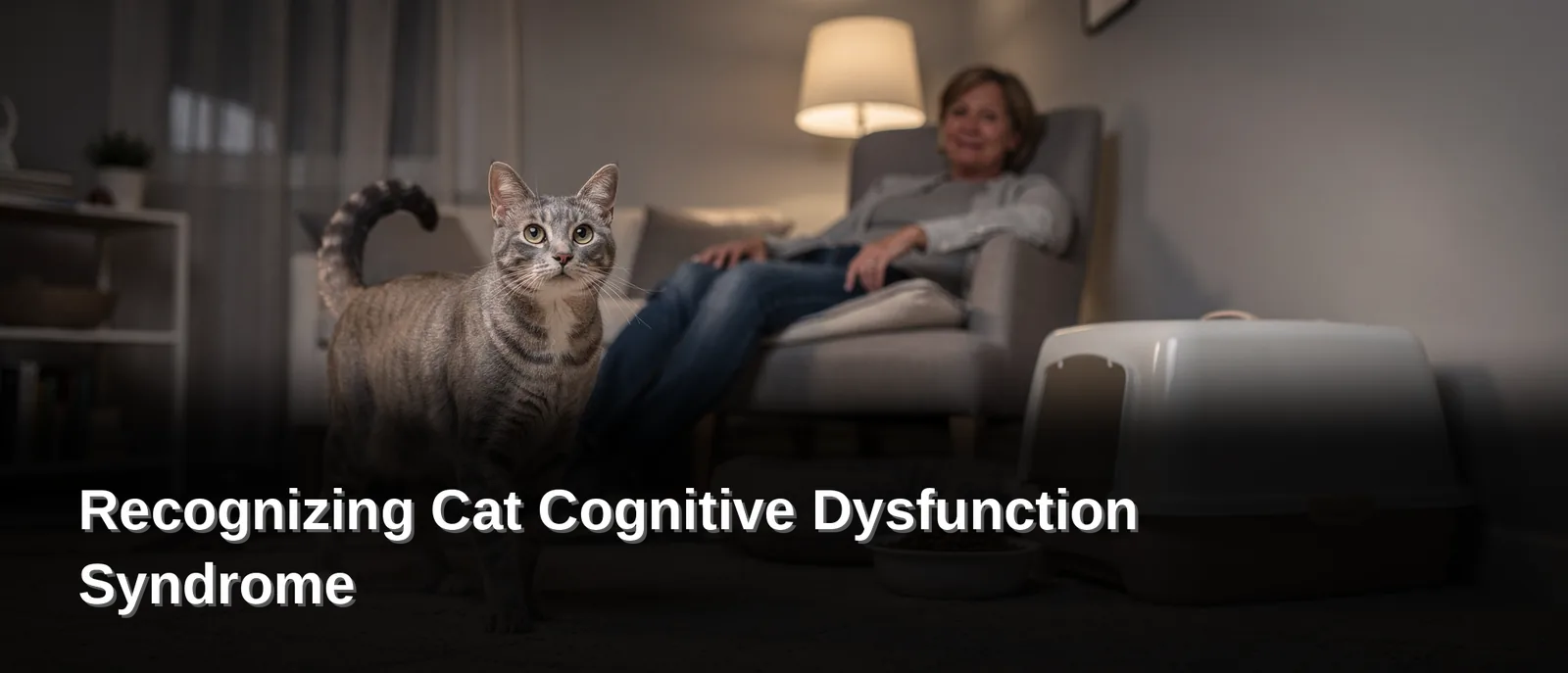
Forgetful senior cats often show feline cognitive dysfunction, a condition affecting memory and behavior similar to Alzheimer's in people. More than a quarter of cats aged 11 to 14 display at least one sign, rising to half of cats over 15. Nighttime yowling, disorientation, and withdrawal signal the need for a veterinary evaluation and quality-of-life discussion.
Key Takeaways
- Feline cognitive dysfunction affects memory, critical thinking, behavior, and reasoning in senior cats, similar to Alzheimer's disease.
- More than one quarter of cats experience dementia, making it a common condition in aging felines.
- Increased vocalization, nighttime activity, and withdrawn behavior signal early signs of cognitive dysfunction in senior cats.
- Sudden behavioral changes like confusion and increased affection indicate your senior cat needs veterinary evaluation and care.
Is Your Senior Cat's Forgetfulness More Than Aging?
Occasional forgetfulness in an older cat sometimes signals something deeper than ordinary aging. Subtle shifts, missed litter box visits, blank staring at walls, wandering at 3 a.m., often mark the early stages of cat cognitive dysfunction syndrome, a condition that mimics dementia in older cats. Catching these changes early makes a real difference in how families respond and how comfortable a senior cat stays.
Attentive owners can still miss the warning signs. Subtle behavior changes creep in gradually. A cat who seems "just a little off" one week may be showing the first real markers of cognitive decline. That's part of what makes this condition so tricky to spot at home.
What are the early signs of feline cognitive decline?
Watch for these common patterns in a senior cat's daily routine:
- Increased nighttime vocalization or restlessness
- Disorientation in familiar spaces, like pausing at doorways
- Forgetting the location of food, water, or the litter box
- Withdrawal from petting, play, or family interaction
- Changes in sleep-wake cycles
None of these signs confirms a diagnosis on their own. A cluster of them warrants a conversation with a veterinary professional.
Is it normal aging or something more?
Normal aging slows a cat down gradually and predictably. Cognitive decline, by contrast, often brings confusion, anxiety, and disrupted routines that feel out of character. A senior cat who suddenly forgets a lifelong habit, like using a familiar litter box, deserves a closer look rather than a shrug.
Every service built for cats facing this stage honors their dignity and supports the whole family through a genuinely profound moment. Telehealth consultations bring specialized hospice and palliative guidance straight into the home. No family has to sort through confusing symptoms alone.
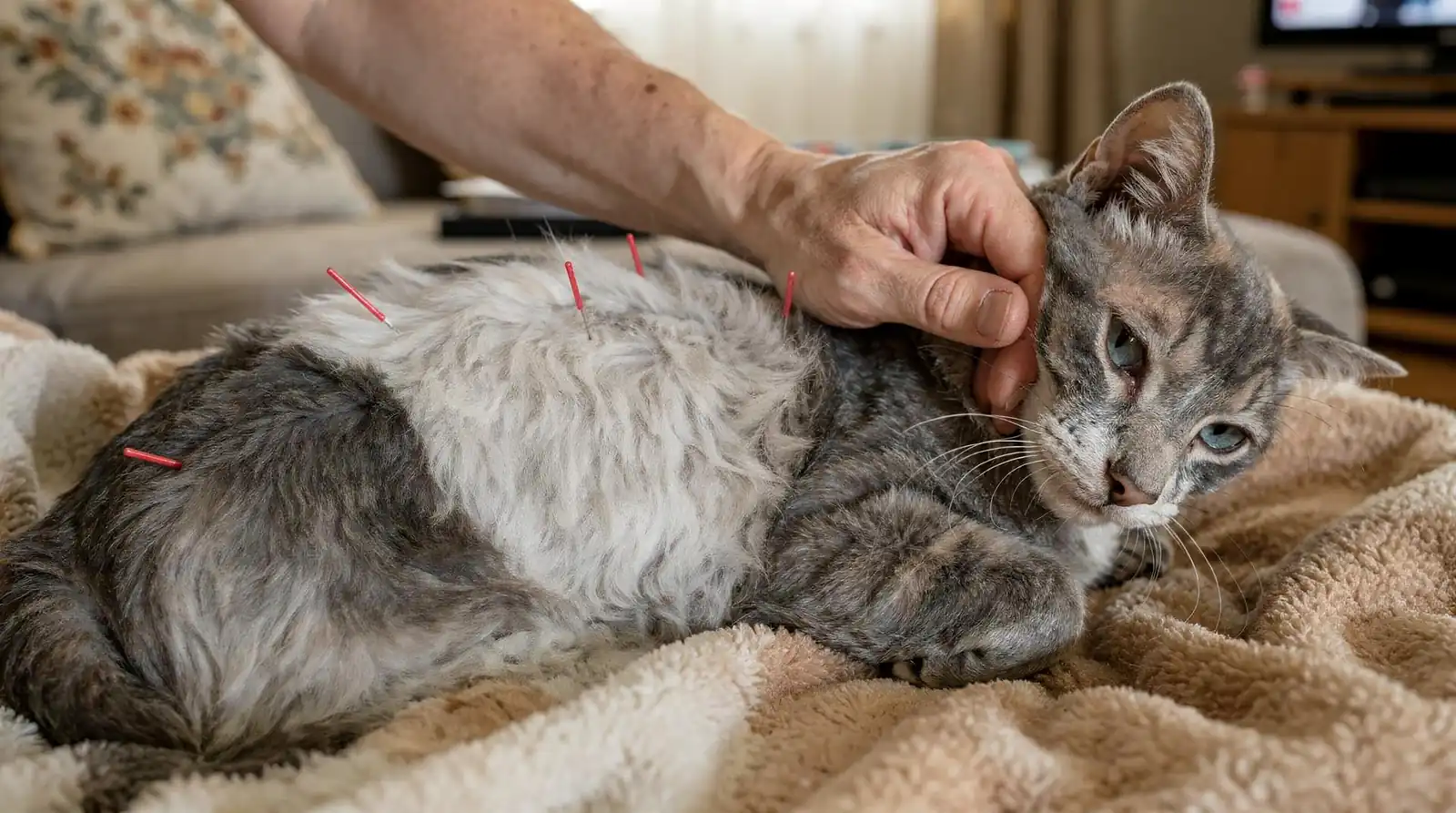
Normal Aging vs. Cognitive Dysfunction
| Behavior | Normal Aging | Cognitive Dysfunction Syndrome |
|---|---|---|
| Sleep patterns | Sleeps more overall | Nighttime restlessness, yowling, reversed sleep-wake cycle |
| Litter box use | Occasional stiffness-related accidents | Forgets litter box location entirely |
| Social behavior | Mild preference shifts | Sudden clinginess or withdrawal |
| Spatial awareness | Slower movement | Disorientation, staring at walls, stuck in corners |
What Exactly Is Cat Cognitive Dysfunction Syndrome?
Cat cognitive dysfunction syndrome describes a condition in senior cats that disrupts memory, critical thinking, behavior, and reasoning. Think of it as the feline equivalent of watching a sharp mind gradually lose its footing. A cat who once navigated the house with confidence may start pausing at doorways, forgetting the litter box, or staring blankly at familiar faces.
Left unrecognized, this decline steals more than routine. Families lose the chance to adjust care early, and cats lose comfort during a stage of life that already carries plenty of change. Understanding the syndrome for what it is, a real medical condition and not simple "old age," changes how families respond and how much support their cat receives.
Dr. Liz Fernandez brings a distinct combination of veterinary medicine training, hospice and palliative care expertise, and grief counseling background to conversations about feline cognitive decline. That mix matters here. A cat's brain changes are a medical issue. The confusion, worry, and grief families feel as they watch it happen are emotional ones too. Dr. Liz's career has steadily moved toward focusing on palliative. End-of-life guidance, including helping families understand exactly what's happening as a senior cat's mind shifts.
Is Feline Cognitive Dysfunction the Same as Dementia?
Yes, veterinarians often use the terms interchangeably. Both describe age-related decline in brain function that mirrors what happens in human Alzheimer's disease. The underlying process involves changes to brain cells that affect how a cat thinks, remembers, and behaves.
What Areas Does It Affect Most?
Memory and reasoning take the biggest hit, along with behavior patterns a cat has relied on for years. Some cats forget training they mastered long ago. Others struggle with basic spatial awareness, like recognizing where their food bowl sits.
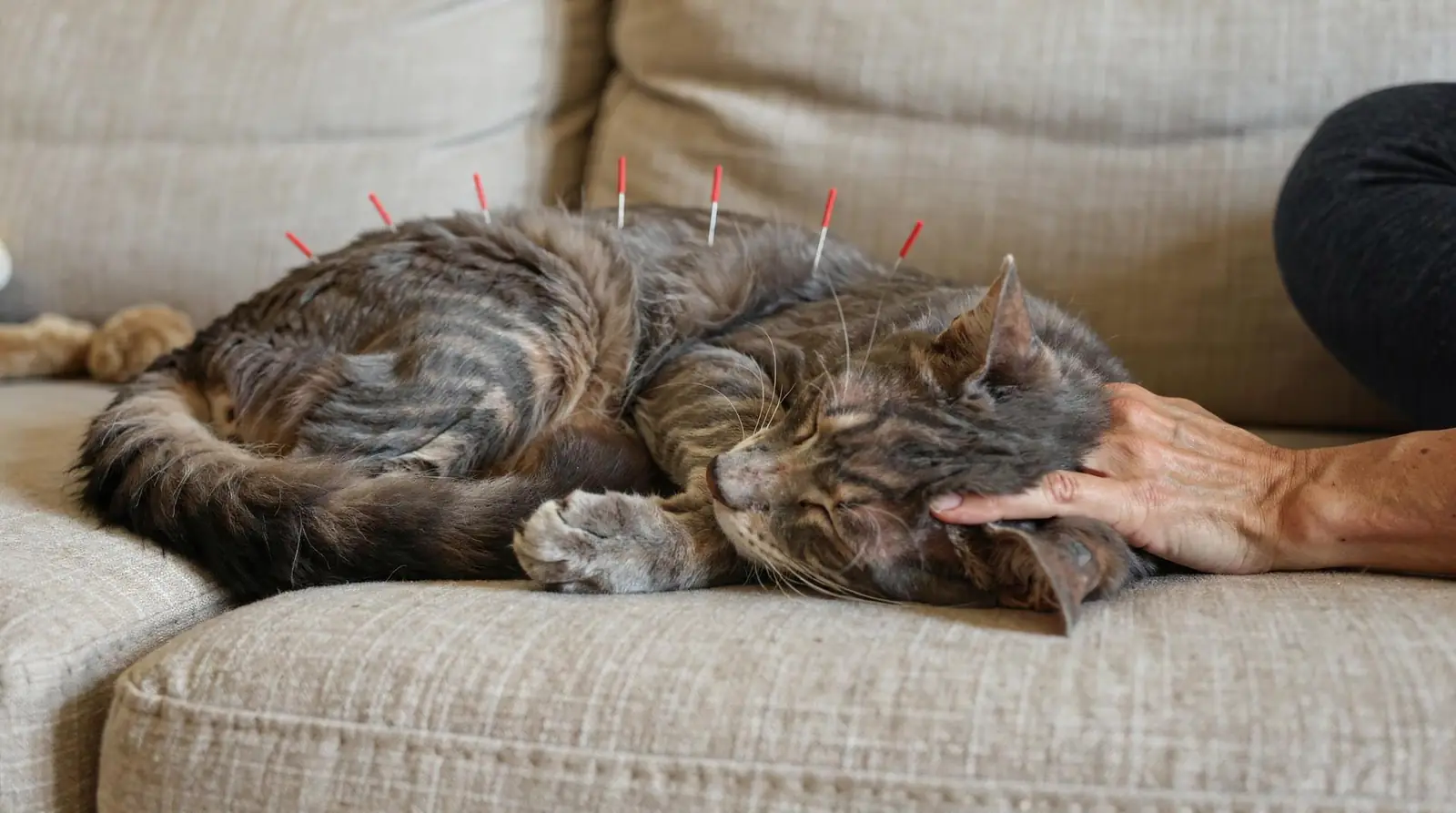
How Common Is Cognitive Decline in Senior Cats?
Cognitive decline touches a significant share of aging cats. Dementia in Cats reports that more than a quarter of cats between 11 and 14 years old show at least one sign of dementia. That's a striking number for dog owners newer to feline aging to consider, especially those weighing what to expect as a companion cat grows older alongside a family dog.
The condition goes by a clinical name: cat cognitive dysfunction syndrome. It describes a gradual decline in memory, awareness, and learned behavior, similar in many ways to age-related cognitive changes seen in aging dogs. Recognizing the pattern early makes a real difference in how families plan care.
What Age Does Cognitive Decline Usually Start in Cats?
Signs tend to emerge in the early senior years, often starting around age 11. From there, the likelihood of noticeable symptoms climbs steadily with each passing year. Watching for subtle shifts, rather than waiting for dramatic ones, helps catch the syndrome sooner.
Why Does This Matter for Multi-Pet Households?
Households with both dogs and cats face a layered caregiving challenge as pets age together. A senior cat showing confusion or altered sleep patterns needs a different kind of support than an aging dog would.
Support doesn't have to be limited by geography. Guidance remains a call away for cat parents anywhere in the country through telehealth options. In-home care serves families across parts of California. That reach matters, because cognitive changes rarely announce themselves on a convenient schedule, and families deserve steady answers no matter where they live.
What Are the Early Warning Signs to Watch For?
Confusion, nighttime yowling, and sudden withdrawal top the list of early warning signs for cat cognitive dysfunction syndrome. A cat who once moved through the day on a predictable schedule may start acting lost in familiar rooms. Nights bring restless vocalizing instead of quiet sleep. Some cats pull away from petting and playtime they used to seek out.
These shifts rarely happen all at once. They creep in slowly, which makes them easy to write off as "just getting older."
Why does my cat forget where the litter box is?
Cognitive decline erodes memory in ways that touch daily routines cats have known for years. A cat with fading cognitive function can genuinely forget where the litter box sits. Where the food bowl has always been. That's not defiance or spite. It's the brain losing its grip on habits that once ran on autopilot.
What other behavior changes signal a problem?
Beyond confusion and forgetfulness, families often notice a cat pacing at odd hours or staring blankly at walls. Some cats stop grooming as often; others seem startled by things that never bothered them before. A quick list of common red flags:
- Vocalizing loudly, especially after dark
- Wandering or pacing without clear purpose
- Forgetting litter box or food bowl locations
- Withdrawing from affection or family interaction
- Appearing disoriented in familiar spaces
None of these signs prove a diagnosis on their own, but together, they build a pattern worth taking seriously.
Dr. Liz Fernandez has spent years sitting with families as they describe exactly these worries, the fear that a beloved cat is slipping away in small, quiet ways. She considers those conversations a blessing, not a burden. Wisdom Paws holds space for both the medical side of these changes and the emotional weight they carry, honoring the bond between a cat and the people who love it. Recognizing the signs early opens the door to guidance, comfort, and a clearer path forward for the whole family.
What Causes These Changes in Your Cat's Brain?
Brain aging drives the confusion, restlessness, and forgetfulness that show up in senior cats. Neurons, the working cells that keep the brain functioning, break down over time and eventually die off. That loss of cellular power is the biological root of cat cognitive dysfunction syndrome, the feline version of what humans experience with Alzheimer's disease.
This isn't a behavior problem a cat can simply "unlearn." It's a physical, progressive change happening inside the brain itself. A cat who suddenly forgets the litter box location or stares blankly at a wall isn't being stubborn. Her brain tissue is genuinely changing.
Is Feline Cognitive Decline Just Part of Normal Aging?
Some decline is expected with age, but cognitive dysfunction syndrome goes further than typical slowing down. It reflects measurable neuron loss, not just a cat moving a little slower or sleeping more. Distinguishing ordinary aging from true cognitive decline matters. One calls for patience and the other calls for a care plan.
Veterinary hospice and palliative care looks at both sides of this equation. The brain changes matter clinically, but so does the emotional weight families carry watching a once-sharp companion grow confused. Compassionate, whole-family support, whether through telehealth conversations or in-home visits, helps address the physical disease and the grief that often arrives quietly, long before goodbye does.
Dr. Liz Fernandez has walked alongside countless pet parents through this exact chapter, including families whose cats faced cognitive decline. That experience shapes an approach rooted in honesty about what's happening in the brain, paired with real emotional steadiness for the humans navigating it. Understanding the "why" behind these changes gives families a foundation for the decisions still ahead.
How Can You Support a Cat With Cognitive Decline?
Steady routines and small environmental adjustments make daily life easier for a cat facing cat cognitive dysfunction syndrome. Consistency matters more than ever once a cat's brain starts struggling to process familiar surroundings. Families who understand the practical signs can step in early and reduce a lot of unnecessary stress at home.
Sleep and activity often shift first. A cat who once slept through the night may start pacing, crying out, or wandering aimlessly after dark. Reduced daytime activity paired with nighttime restlessness is a pattern worth watching closely, not dismissing as simple old age.
What behavior changes signal cognitive decline in a cat?
Disorientation is one of the clearest red flags. A cat might stare blankly at walls, get stuck in corners, or forget the location of the litter box. These shifts in sleep and spatial awareness point toward changes happening in the brain, not just stiff joints or tired eyes.
Does cognitive dysfunction affect a cat's relationships at home?
Yes, it often does. A cat's bond with an owner or with other household pets can shift noticeably, sometimes toward clinginess, sometimes toward withdrawal. Recognizing these social changes early helps families respond with patience instead of confusion.
Practical support at home can include:
- Keeping food, water, and litter box locations unchanged
- Adding nightlights to reduce disorientation after dark
- Offering gentle, predictable interaction instead of sudden changes
- Watching closely for shifts in appetite, vocalization, or affection
- Providing a gentle distinctive aroma to the food, water, litter box, bed and other areas where your cat spends time can help them.Since the olfactory sense is the most primitive sense is often the one that remains when others have deteriorated.
Dr. Liz Fernandez brings a personal understanding to this work. As both a veterinarian and a pet parent, she has walked this same difficult road with her own animals and knows how emotionally heavy it can feel. That lived experience shapes a compassionate, honest approach to every family navigating a cat's decline.
Support doesn't have to stop at the front door, either. Telehealth guidance is available nationwide. In-home visits serve families across Ventura, Santa Barbara, and Los Angeles Counties for those who want hands-on care closer to home.
When Should You Seek Help for Your Cat?
Cat owners should seek professional guidance the moment a senior cat's behavior shifts in ways that don't add up. Confusion, restlessness at night, or sudden clinginess deserve a closer look, not a wait-and-see approach. Waiting too long often means missing the window where support makes the biggest difference, both for the cat's comfort and the family's peace of mind.
Behavioral specialist Amy Pike, DVM, DACVB, has pointed out that cat cognitive dysfunction syndrome remains a frequently overlooked, under-diagnosed disorder, largely because routine screening for it simply isn't standard practice yet. That gap matters. Many cats live with untreated cognitive decline for months, sometimes years, before anyone connects the dots.
How does a veterinary hospice specialist help with feline cognitive decline?
Dr. Liz Fernandez brings decades of veterinary medicine experience together with hospice. Palliative care training, plus a background in integrative care and human-animal grief support. That combination matters for cognitive decline cases especially. Families often struggle to tell whether a cat's confusion is a normal part of aging or a sign that quality of life is slipping. Her integrated approach helps sort out that difference before things reach a crisis point.
Why does timing matter so much with cognitive changes in cats?
Dr. Liz's own career path reflects this shift firsthand. Her practice moved over time from holistic house calls toward a deeper focus on palliative. End-of-life guidance, a change shaped by watching too many families reach out only after a pet's decline became severe.
Consider reaching out when a cat shows any combination of these signs:
- Disorientation in familiar spaces, like pausing at doorways or staring at walls
- Nighttime vocalization that wasn't there before
- Withdrawal from petting, play, or family interaction
- Sudden increases in neediness or clinginess
Early conversations open up more options, and more comfort, for the road ahead.
How Does Wisdom Paws Guide This Journey?
Guidance starts with listening, then moves into practical steps families can act on right away. Dr. Liz Fernandez built her practice around one belief: no family should navigate a senior cat's decline alone. That's true whether the family lives down the street from her California base or thousands of miles away.
Behavioral shifts often mark the moment families need support most. A senior cat showing sudden anxiety, or reacting aggressively toward familiar people and pets, may be signaling something deeper than a bad mood. These changes can unsettle relationships built over years, leaving owners confused and worried about what comes next.
What Kind of Support Is Available for Families Far From California?
Distance never has to stand between a family and expert guidance. Telehealth consultations deliver specialized hospice and palliative care support directly into homes nationwide, connecting families with the same depth of expertise offered in person. Whether the concern involves cat cognitive dysfunction syndrome or another senior health issue, families can access answers without leaving home.
What Does a Typical Guidance Path Look Like?
Support usually unfolds in stages, each one building on the last:
- Initial conversation to understand the cat's specific behavior changes and history.
- Quality-of-life discussion covering comfort, safety, and daily functioning.
- Ongoing telehealth check-ins to track progress and adjust care as needed.
- Emotional support for the family throughout the process, not just the pet.
This structure gives families a clear roadmap during a time that often feels anything but clear. Nobody should have to guess at the next step while watching a beloved cat change before their eyes. Steady, compassionate presence remains the constant, no matter where the family lives or what stage of the journey they're facing.
FAQ
What are the early signs of feline cognitive dysfunction?
Watch for increased nighttime vocalization, disorientation in familiar spaces, forgetting food or litter box locations, withdrawal from interaction, and changes in sleep-wake cycles. A cluster of these signs warrants a veterinary conversation.
How common is cognitive dysfunction in senior cats?
More than a quarter of cats aged 11 to 14 display at least one sign of cognitive dysfunction. That number rises to half of cats over 15 years old.
How does cognitive decline differ from normal aging?
Normal aging slows a cat down gradually and predictably, while cognitive decline brings confusion, anxiety, and disrupted routines. A cat forgetting a lifelong habit, like using the litter box, signals something more than typical aging.
Recognizing Cat Cognitive Dyhsfunciton Syndrome
Recognizing the signs of feline dementia in your senior cat gives you the gift of time, time to adjust your home, deepen your connection, and make informed decisions about their care. Your cat's changing behavior isn't a mystery to solve alone. With compassion and the right support, you can help your aging companion navigate this stage with dignity and comfort, honoring the bond you've built together over the years.