How Pet Acupuncture Provides Comfort and Pain Relief During End-of-Life Care
By Dr. Liz Fernandez, Wisdom Paws
When a pet is nearing the end of life, making them comfortable becomes the main concern. Pet acupuncture is a holistic option that can ease pain and boost comfort. By using fine needles to stimulate specific points, this long‑standing practice aims to improve quality of life for pets with terminal conditions. Below, we’ll walk through how it works, the techniques used, and the benefits during end‑of‑life care so you can make informed choices for your pet.
End-of-life care for pets often emphasizes symptom control, dignity, and reducing distress for both the pet and their family. Acupuncture is one element of a broader palliative approach and can be tailored to each pet’s needs and tolerance. In many clinics, it is integrated into a multi-modal plan that focuses on comfort, mobility, and reducing anxiety, allowing pets to maintain a better day-to-day quality of life during their final months or weeks.
Key Takeaways
Pet acupuncture uses needle, electro, direct pressure, and laser techniques to stimulate healing and comfort points on pets.
Acupuncture effectively manages chronic pain and reduces anxiety in pets during end-of-life care.
Holistic acupuncture treatments improve mobility and overall quality of life for terminally ill pets.
Qualified practitioners tailor acupuncture methods based on breed, health, and individual pet needs.
Acupuncture stimulates the nervous system to release natural pain-relieving chemicals and promote relaxation.
Combining acupuncture with other therapies like massage and nutrition enhances comprehensive comfort care.
Regular acupuncture sessions, often weekly or bi-weekly, optimize pain relief and emotional support.
Personalized consultations ensure safe, effective, and customized acupuncture treatment plans for pets.
Scientific studies support acupuncture’s role in improving comfort and mobility in terminal pets.
Techniques
Veterinarians use different methods and pick the one that best fits each pet’s needs and comfort level.
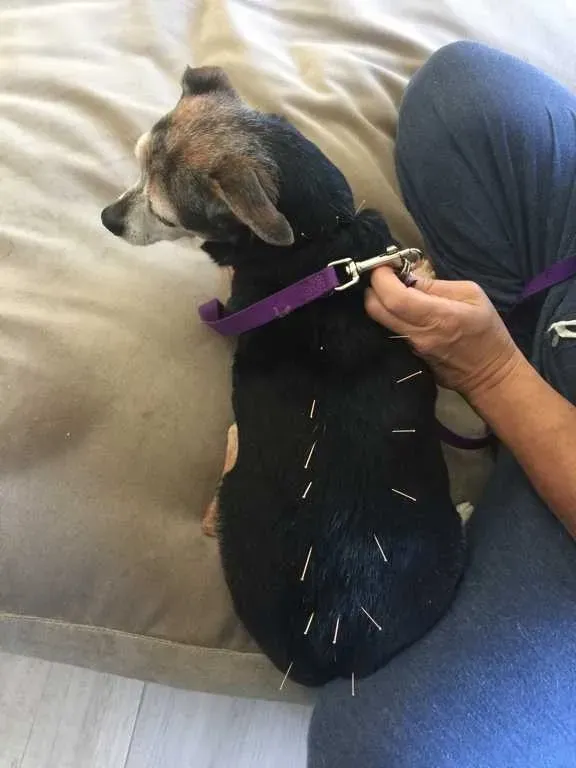
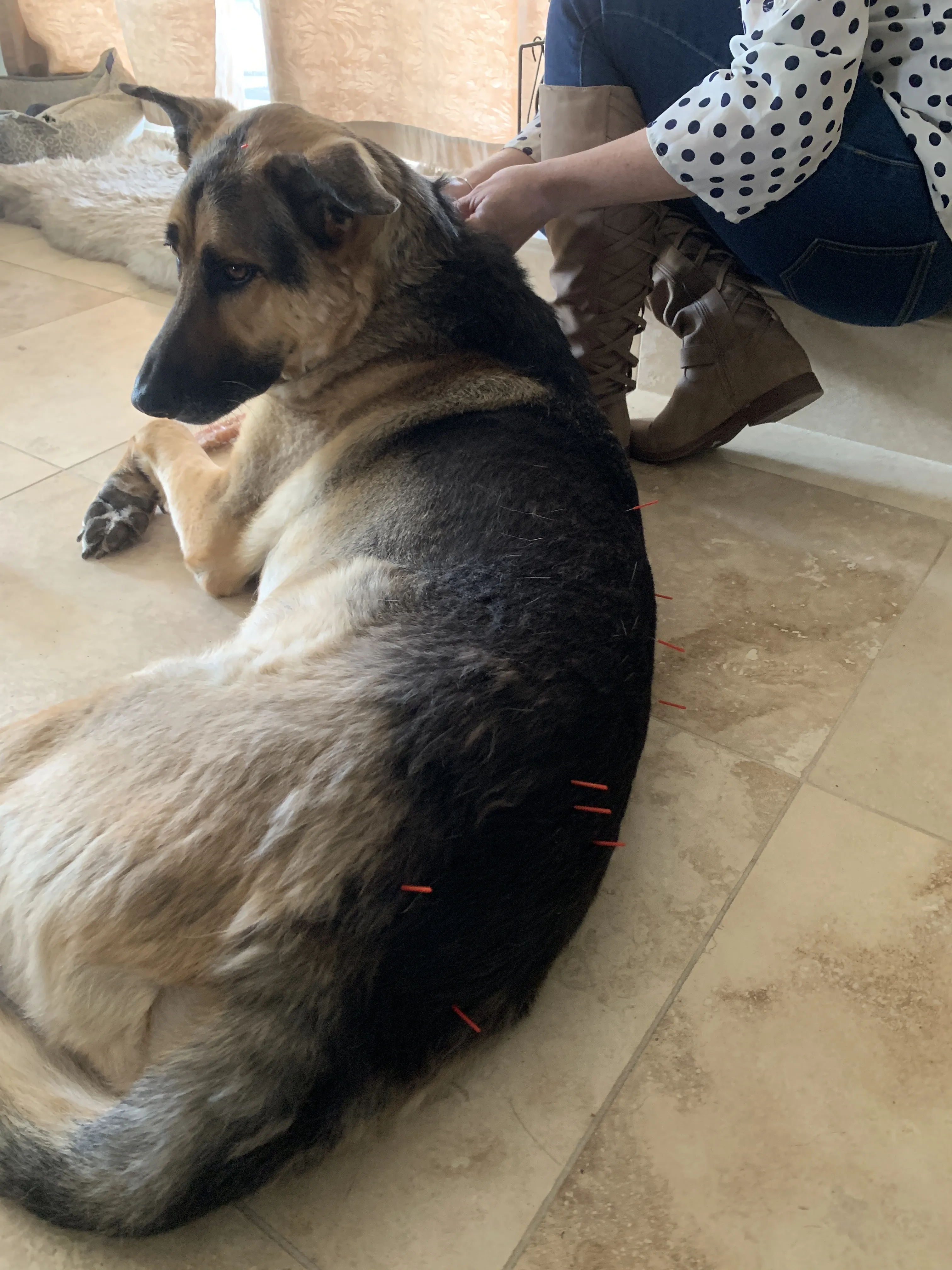
Needle Acupuncture: This traditional method involves the insertion of fine needles at specific acupuncture points on the pet's body. The goal is to stimulate the body's natural healing processes and promote relaxation.
Electro-Acupuncture: Combining needle acupuncture with electric stimulation, this technique enhances the effects of traditional acupuncture by providing continuous stimulation to targeted areas.
Acupressure: Uses massage pressure to stimulate the acupuncture points. It is ideal for those patients that are too fragile for needles or even laser.
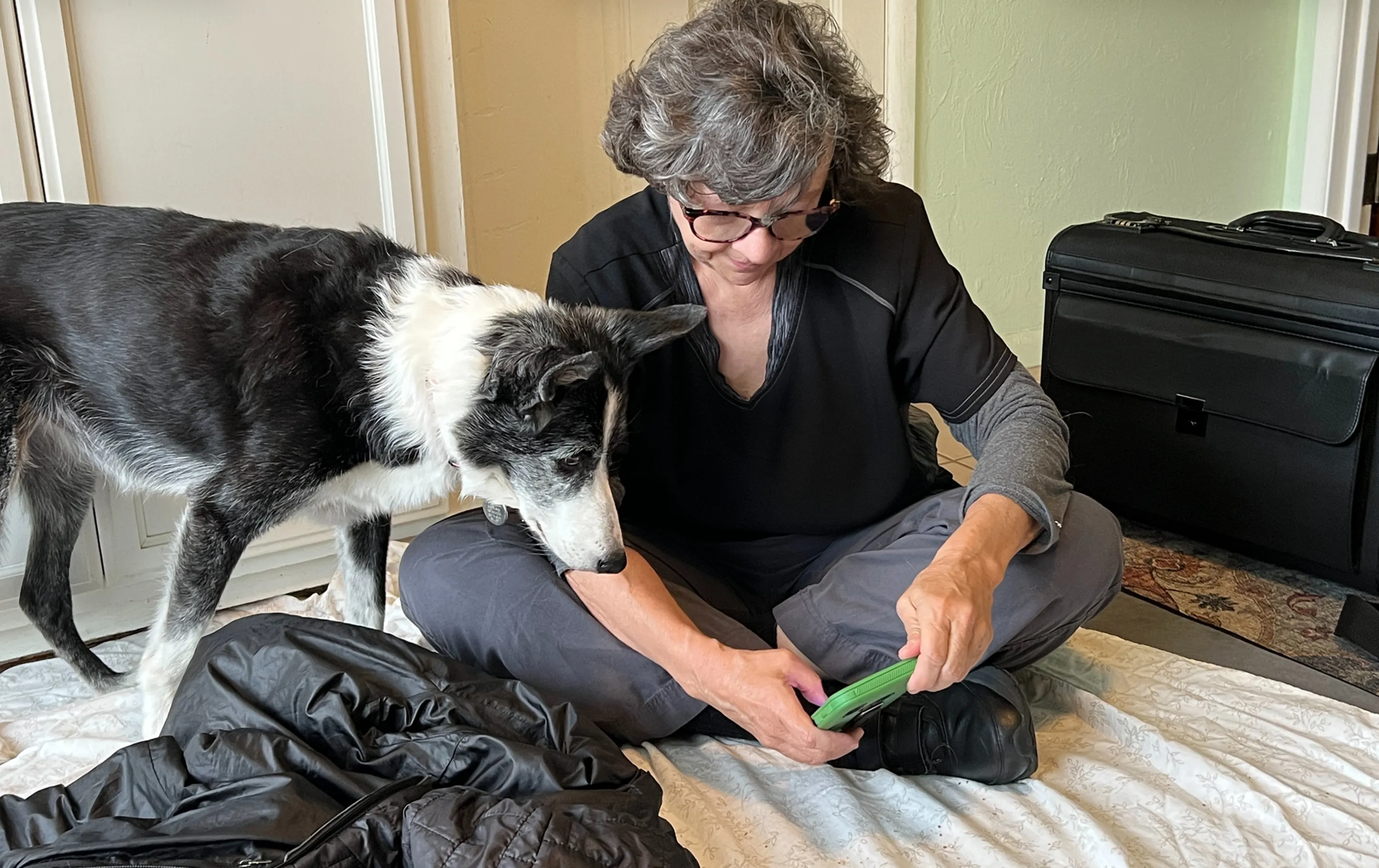
Laser Acupuncture: Utilizing a low-level laser to stimulate acupuncture points, this method is non-invasive and ideal for pets that may be anxious about needles.
Knowing these options helps you and your vet choose the best fit for your pet, so treatments stay comfortable and effective.
Needle acupuncture is commonly used when the pet accepts gentle handling and when the practitioner needs precise stimulation at classic points. The needles are typically very thin and cause minimal discomfort; pets often tolerate them well, especially when the practitioner is skilled at placing them quickly and calmly.
Electro-acupuncture adds a controlled electrical current between pairs of needles. The intensity and frequency are adjusted to the animal’s comfort and therapeutic goals. This technique can be particularly useful when a stronger, sustained stimulus is needed for chronic pain or neuromuscular conditions.
Acupressure is ideal for patients that cannot tolerate other forms of acu-point stimulation. It is also ideal for patients that benefit from frequent treatments because the pet parent can be instructed how to use this technique for their pet.
Laser acupuncture is growing in popularity for animals that are highly anxious or sensitive. Because it does not penetrate the skin, laser treatment can be used on pets who would otherwise resist needle-based therapy. It is also helpful when treating very small or frail animals where minimizing invasiveness is a priority.
Benefits
Acupuncture can help in several key ways during end-of-life care, including:
Pain Management Effectiveness: Acupuncture has been shown to alleviate chronic pain caused by conditions such as arthritis or cancer, providing significant relief for pets.
Emotional Support Aspects: By promoting relaxation, acupuncture can decrease anxiety in pets, contributing to a calmer state during stressful times.
Improvement in Quality of Life: Many pet parents have observed enhanced mobility and overall well-being in their pets after undergoing acupuncture treatment.
Including acupuncture in your pet’s care can help make their last days more comfortable and reduce pain.
Beyond these main benefits, acupuncture can help break cycles of pain-related inactivity, which often leads to muscle loss, stiffness, and decreased appetite. By reducing pain and improving comfort, acupuncture may support better eating, more restful sleep, and increased interest in gentle activity — all important contributors to a higher quality of life in late-stage illness.
Acupuncture may also support emotional bonds during care: when a pet experiences less pain and anxiety, interactions with owners and family members tend to be more positive and meaningful, helping both the animal and people cope with difficult decisions.
What Is Pet Acupuncture and How Does It Help Dogs at End of Life?
Pet acupuncture uses targeted stimulation to ease pain and support health. It comes from traditional Chinese medicine and works with the body’s energy, often called “qi,” to restore balance. For dogs approaching the end of life, it can help manage pain and provide emotional support. If you're thinking about this option, scheduling a consultation is a good first move to get a personalised treatment plan.
In many practices, the practitioner will explain how acupuncture fits with the dog’s current medical treatments and what to expect in terms of session length, comfort measures, and follow-up. A clear plan helps pet parents feel confident in the care being provided.
Techniques Used
Veterinarians may use needle acupuncture, electro‑acupuncture, acupressure and or laser acupuncture depending on the dog’s condition and temperament. Each method can stimulate points that encourage healing, ease pain, and lower anxiety while keeping the dog comfortable.
Choosing among these techniques is a clinical decision based on the pet’s pain level, behavioral tolerance, and any co-existing conditions. Experienced practitioners are happy to explain why they select one method over another when asked. They will also explain how your pet’s response to treatment will be monitored. Observed Benefits
Common benefits include reduced chronic pain, lower anxiety, and improved overall quality of life for dogs in their later years. Pet parents often report better mobility and fewer signs of discomfort after treatment, which supports using acupuncture as part of end‑of‑life care.
Pet parents also value non-pharmacologic benefits such as improved sleep, calmer demeanor during handling, and occasional positive changes in appetite or social behavior. These improvements, though sometimes subtle, can noticeably affect daily comfort.
How Does Pet Acupuncture Relieve Pain and Anxiety?
Acupuncture stimulates specific points that trigger the nervous system to release endorphins and other natural pain relievers. That not only helps control pain but often produces a calming effect, reducing anxiety during difficult transitions.
On a practical level, this means acupuncture can modify how the body perceives pain signals and promote a more relaxed state. For pets in end-of-life care, reduced anxiety can lower stress-related behaviors and make routine care easier for caregivers.
Is Acupuncture Safe and Painless for Elderly Pets?
When performed by a qualified practitioner, acupuncture is considered safe for older pets. Treatments are gentle and tailored to the pets’ needs, and most pets feel little to no discomfort thanks to the fine needles used.
Safety is reinforced by a thorough pre-treatment assessment, which includes evaluating cardiovascular health, clotting ability, and any implants or devices. When the practitioner has a full picture of the pet’s health, they can adapt technique and frequency to minimize risk.
Which Comfort Care Options Work Best for Pets Near the End of Life?
Pairing acupuncture with other comfort measures, like massage, nutritional support, and small environmental changes, creates a more complete approach. That way you address both physical and emotional needs to boost overall comfort.
Environmental adjustments can be simple but effective: raised bedding to ease rising, non-slip surfaces to prevent slips, and easily accessible food and water. When combined with therapeutic touch and targeted nutrition, these measures enhance the effects of acupuncture and other treatments.
How Does Acupuncture Fit Into Holistic End-of-Life Care?
As a holistic therapy, acupuncture fits well with approaches that focus on the whole pet. It addresses both body and mood and complements other treatments to create a balanced, compassionate care plan.
Holistic care recognizes that multiple domains, like physical comfort, nutrition, social interaction, and environment, interact to determine a pet’s day-to-day well-being. Acupuncture is one practical tool within this integrated framework.
What Other Pain Management Strategies Can Complement Acupuncture?
Physical therapy, dietary adjustments and medical treatments can all enhance the effects of acupuncture. Combining these strategies helps you build a rounded pain‑management plan that improves comfort and quality of life.
Examples of complementary measures include controlled exercise designed to maintain joint flexibility, targeted supplements when recommended by a veterinarian, and short-term medications for acute flare-ups. Each component should be coordinated with the veterinary acupuncturist to avoid overlaps and ensure safety.
How Do Breed and Health Insights Influence Acupuncture Treatment Plans?
Knowing your pet’s breed and health history helps shape an effective acupuncture plan. Some breeds have specific health concerns or different sensitivities, so practitioners adjust techniques to match each pet.
For example, a heavy-chested breed with breathing issues may receive a different approach than a small terrier prone to anxiety. The practitioner’s familiarity with breed tendencies informs needle selection, session length, and whether to include adjunctive therapies.
Can Specific Dog Breeds Respond Differently to Acupuncture?
Yes. Breeds can vary in how they respond. Dogs with unique health issues or different pain thresholds may need customised approaches to make sessions both effective and comfortable.
Individual temperament plays a major role as well: a naturally calm dog may tolerate longer sessions, while a nervous dog may benefit from shorter, more frequent visits or non-invasive laser options.
Why Is Personalized Consultation Important for Therapy Choices?
A personalised consultation is essential to pick the best treatments. A qualified practitioner will review medical history, current health and behaviour to create a plan that fits your dog’s specific needs.
This consultation also creates an opportunity to discuss realistic goals, potential risks, and how success will be measured—whether that’s reduced pain behaviors, improved mobility, or a calmer demeanour. Clear goals help both owners and practitioners make timely adjustments.
How Can You Prepare Your Pet and Yourself for Acupuncture Sessions?
Prepare by creating a calm space, sharing your pet’s history and habits with the practitioner, and staying relaxed yourself. Your calm helps your pet stay calm too.
Practical tips include arriving a few minutes early to let your pet settle, bringing a favorite blanket or toy, and avoiding heavy exercise immediately before a session. If your pet takes medication, verify timing with the clinic so the treatment complements medical care.
What to Expect During Your Dog’s First Acupuncture Visit?
On the first visit, the practitioner will take a full health history and do an assessment, then use techniques chosen for your dog. That first session sets the plan for follow‑ups and modifications.
The initial visit also includes a gentle physical exam, a TCVM exam and a discussion about goals. Outcomes will be evaluated over the next few sessions.
How Often Should Terminal Pets Receive Acupuncture Treatments?
Frequency depends on the pet’s condition and response. Many practitioners recommend weekly or every two weeks at first, then adjust based on how your pet responds. It is not harmful if treatments are more frequent.
As symptoms improve, visits may be spaced further apart for maintenance. For pets with rapidly changing conditions, more frequent visits may be helpful to maintain comfort or address flare-ups.
What Are Common Questions and Myths About Pet Acupuncture?
People often worry about pain or safety. Learning what acupuncture actually involves and asking your veterinary acupuncturist about concerns will help you make informed choices for your pet.
Common misconceptions include the idea that acupuncture is always painful or that it replaces conventional medicine. In reality, it is often completely painless. For some it can be uncomfortable and there is always the possibility of “zinger” points that are painful. Typically those points are where there is a strong need for the treatment and the effect can be powerful. Acupuncture compliments conventional veterinary medicine well. It can also be used independently, very effectively. Yet neither is contraindicated if offering the other.
Frequently Asked Questions
How can acupuncture help with my pet's anxiety during end-of-life care?
Yes, acupuncture can ease anxiety during stressful times like end‑of‑life care. By stimulating specific points, it activates the nervous system to release endorphins and other calming chemicals. Many pet parents notice their pets are less distressed after treatments, which helps make the final period calmer and more peaceful.
In practice, a calmer pet may be easier to examine and treat, which also helps the practitioner deliver other supportive therapies. Combining acupuncture with environmental adjustments, like soft bedding, familiar scents, and quiet rooms, often produces better results than any single measure alone.
What should I expect after my pet's acupuncture treatment?
After a session, pets often seem more relaxed, move more easily, and show less pain. Some even act a bit more energetic. Responses vary, so watch your pet and share what you see with the acupuncturist so future sessions can be adjusted for the best results.
Typical immediate effects include decreased tension, a relaxed posture, and sometimes increased appetite. In the days following treatment, you may notice gradual improvements in mobility or mood. Keep a simple log of changes in activity, eating, and pain behaviors to help guide the treatment schedule.
Is acupuncture suitable for all dogs, regardless of size or health status?
It can work for many dogs, but individual factors matter. Size, anatomy and underlying health issues affect how a dog responds. A qualified practitioner should assess your dog first to choose safe, effective techniques tailored to their needs.
For very small, elderly, or fragile animals, non-invasive methods such as laser acupuncture or minimal needle placement may be preferred. Pets with bleeding disorders or certain medical implants may need special consideration; the practitioner will balance potential benefits and risks during the consultation.
Are there any side effects of pet acupuncture that I should be aware of?
When done by trained professionals, acupuncture is generally safe. Most pets have little to no discomfort; a few may feel sleepy afterwards or show minor bruising. Always tell the acupuncturist about pre‑existing conditions and monitor your pet’s response to reduce any risks.
Rarely, a pet might show a temporary increase in soreness or mild lethargy after treatment. These effects typically resolve within a day or two. Good communication between owner and practitioner ensures any unexpected responses are addressed promptly.
Can acupuncture be combined with traditional veterinary medicine for better results?
Yes, acupuncture often complements conventional treatments. Many owners find that combining acupuncture with prescribed medicines, physical therapy, or nutritional support creates a fuller care plan that improves pain control and overall well‑being.
Integrative care plans allow veterinarians to use the strengths of different approaches: medication for immediate pain control, acupuncture for ongoing symptom modulation and comfort, and rehabilitation therapies to rebuild or maintain strength. Coordinating these elements helps create a personalized and balanced care strategy.
How long does it typically take to see improvements in my pet after starting acupuncture treatment?
It varies. Some pets show noticeable relief after one or two sessions, while others need several treatments to see real change. Regular follow‑ups with the practitioner help track progress and set the right schedule for your pet.
Many clinicians begin with more frequent sessions—often once weekly for a few weeks—then move to less frequent maintenance visits as the pet stabilizes. The timeline depends on the problem being treated, the chosen technique, and how the animal responds.
Are there any precautions I should take before bringing my pet for acupuncture?
Talk with your veterinarian first, especially if your pet has ongoing health problems or is on medication. Make sure your pet is stable, create a calm environment for the visit, and be open with the veterinary acupuncturist about your pet’s needs to help the session go smoothly.
Bring recent medical records, a list of medications and supplements, and any notes about your pet’s daily routine or triggers for stress or pain. This information helps the practitioner develop a safe and effective plan and reduces the chance of complications.
Pet Acupuncture with Wisdom Paws
Using pet acupuncture during end‑of‑life care can bring real comfort and reduce pain for pets with terminal conditions. It helps ease pain and anxiety while supporting emotional well‑being. Talk with Dr. Liz to see if it fits your pet’s needs—acupuncture can be a valuable part of a compassionate care plan during their final journey.
Decisions about end-of-life care are deeply personal and often evolve over time. With clear communication, careful monitoring, and a focus on comfort, acupuncture can be one of several thoughtful tools to support your pet and family through a difficult period. If you choose to pursue acupuncture, regular assessments and open dialogue with your veterinary team will help ensure the plan stays aligned with your pet’s changing needs.